After the Rush: What a Kitchen Does With Its Last Table
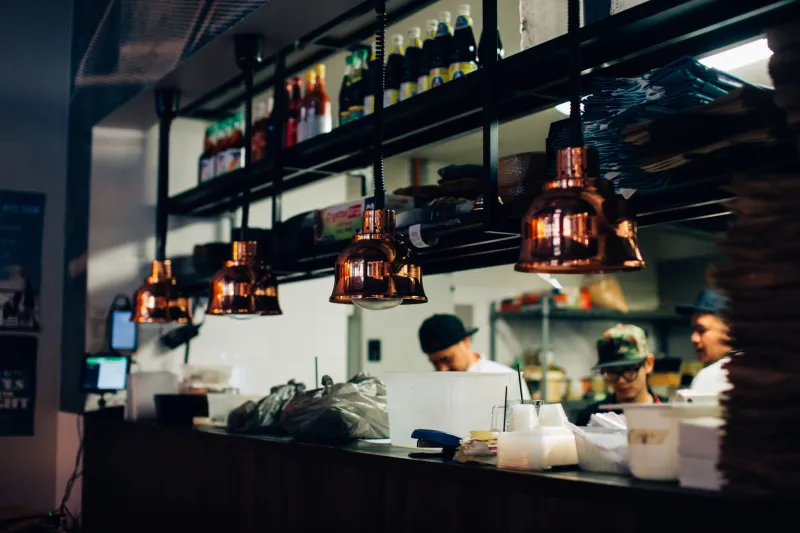
Most restaurant reviews are written from the middle of the rush. The room is full, the pass is humming, and everyone is on their best behaviour. The last table of the night is a different test. By then, the prep list is mostly crossed out, the dishwasher is on its third cycle, and half the front-of-house team are thinking about the bus home. A kitchen can still be brilliant at 9:30pm. It can also reveal exactly how it is run.
This is not a guide to late-night eating in the party sense. It is a guide to the final covers: the 9pm booking, the walk-in at 9:15, the table that arrives just as the chalkboard is being wiped. If you want to know whether a restaurant’s standards are built into the systems or just held together by the energy of a busy lunch, order then.
Why the last hour is the honest hour
At peak service, a kitchen can survive on adrenaline. There are enough people on the floor, enough prep in the fridge, enough eyes on the pass. The last hour is different. The team is thinner, the stock is lower and the clock is loud. That is when good habits show up: mise en place that was properly planned, a menu that was designed to be cooked at 9:40pm, staff who have been trained to close down without closing off.
A restaurant that treats its final covers as an inconvenience is telling you something. It is saying that hospitality is a performance for the busy hours, not a standard that applies all day. A restaurant that treats them properly is telling you something better: that the kitchen is organised, the front of house is respected and the customer is not the enemy of the rota.
The menu starts to shrink
Sold-out dishes can be a good sign. Fresh prep runs out. A short menu that has been cooked through is often more honest than a vast one that has been kept alive with defrosted backups. The issue is how the shortage is handled.
If half the menu has gone by 8:45pm and nobody mentions it until you try to order, that is a problem. Good kitchens manage the last hour: they hold a few things back, tell you early and offer a proper alternative. A wiped specials board at 7pm is not a crisis. A server who says the kitchen is basically closed while the door is still open is. The difference is communication. The best places set the boundary calmly and then look after you within it.
The pace gives it away
Food that arrives four minutes after ordering at 9:30pm is not necessarily efficient. It can mean components were pre-plated or reheated. Food that takes an hour because the kitchen has mentally clocked off is worse. The right pace is normal: a short wait, a check-back, a pudding menu that still exists.
Watch the details. Is the bread still warm, or has it been sitting under a cloth since six? Are the chips from a fresh batch or the bottom of the fryer? Does the salad look like it was dressed to order? One off note is human. A pattern is a system. The last hour is when short cuts become visible because there is no crowd to hide behind.
The language at the door
The greeting matters. We close at ten, is that all right? is honest. Kitchen shuts in fifteen, so you’ll need to order everything now, before you have sat down, is a warning. The best places do not make you feel like an inconvenience for using the hours they advertised.
It is also about the small exchanges. Water refilled without asking. Condiments not snatched away. The bill not dropped the second you put your fork down. None of these are grand gestures. They are the basics of service, and they are exactly what disappears when a team has stopped caring about the final table.
How to order at the end of the night
Be decent. Book a sensible time if you want the full menu. Ask when last orders are rather than assuming. If you arrive late, order starter and main together or ask what the kitchen does best at that hour. Do not demand the tasting menu at 9:55pm. But do expect the food you are served to be cooked as if it matters. That is not a big ask. It is the job.
There is also a practical rule for diners: a 9:30pm table is not the moment to test a kitchen’s most complicated dish. Order the things that show care without requiring a full brigade: a plate of pasta, a flatbread, a grill item, a pudding that was made earlier and finished to order. If those are good, the kitchen is probably sound. If they are tired, the whole operation is probably tired too.
Places that pass the late test
A handful of unfussy UK spots have earned a reputation for keeping the final hour honest. Check current hours before travelling, because kitchens change, and none of these are formal late-night venues.
- The Barbary, London: counter seating, flatbreads and skewers, and a kitchen that tends to keep its rhythm deep into the evening. It is not the place for a quiet romantic finale; it is the place for a proper final plate.
- Bundobust, Leeds and Manchester: Indian street food, cold beer, no ceremony. The menu is short enough to execute well, which is exactly why it holds up when the room thins out.
- Paesano, Glasgow: pizza, few decisions, fast service. A late table here is not an afterthought; it is just another round of dough through the oven.
- The Eagle, London: a proper pub dining room with a chalkboard that has seen it all. The menu may run down, but the cooking usually does not.
- Barrafina, London: no bookings, counter dining, Spanish plates. The pace can feel brisk, but the last orders are still cooked with care rather than resignation.
The final check
If you want to judge a restaurant, do not only go on a Friday at eight. Go on a Tuesday at nine. Watch whether the welcome is still a welcome. See if the kitchen runs out honestly or hides it. Notice whether the last pudding is treated as a nuisance. A good restaurant does not become a different place at closing time. It simply becomes clearer.
That is the useful thing about the last table. It strips away the performance of the peak and shows you the habits underneath. And habits are what bring you back.