The Break in the Day: Why a Closed Kitchen Often Cooks Better
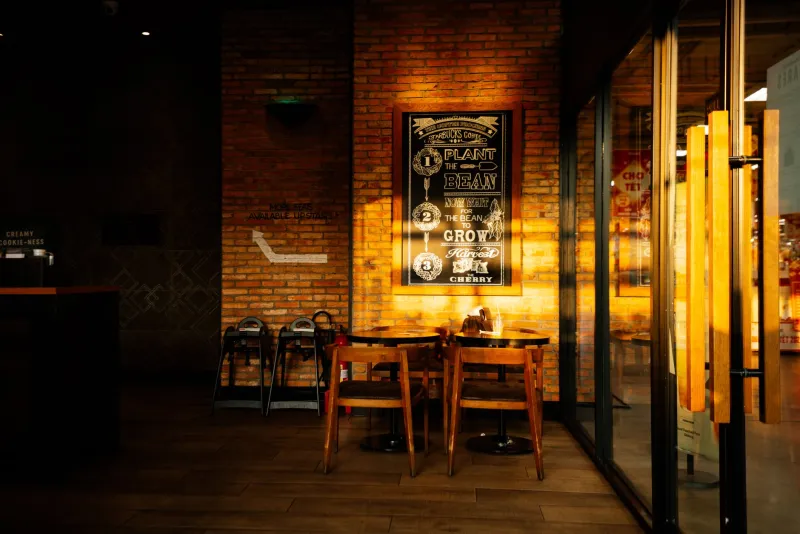
At 3pm on a Tuesday in a Yorkshire market town, the chairs are already up at the café on the corner. The lights are off. A handwritten sign in the window says “Back at 5.30”. A couple of tourists try the door, peer in, and walk away. To them, it looks like a business turning down money. To anyone who has spent time in kitchens, it looks like a place with a pulse.
The split shift — lunch, then a closed kitchen, then dinner — is often treated as a relic. In 2026, the all-day menu is the default: breakfast into brunch into lunch into something called “all-day dining” that somehow includes a burger at 4pm. Convenience is the selling point. But convenience for the customer is not the same as care in the kitchen. A restaurant that closes between meals is making a different bet: that a proper break makes for better cooking.
The afternoon lull isn’t laziness
There’s a lazy assumption that a closed kitchen means someone has knocked off. In reality, the gap is often the most productive part of the day. It’s when deliveries get checked in, stocks get made, veg gets prepped, and the fridge gets a proper sort-out. It’s when the chef can look at what didn’t sell at lunch and adjust the evening specials. It’s when the front-of-house team can actually sit down.
I spoke to a chef in Sheffield who runs a small bistro with a 3pm close. “If we stayed open, we’d be serving the same soup at 4pm that we served at 12.30,” she said. “That’s not generosity. That’s just holding on.” Her kitchen uses the break to make a fresh batch of something for the evening — a braise, a tart, a tray of roasted roots. The menu shrinks between lunch and dinner, but what’s on it is usually sharper.
What actually happens in the gap
The details vary, but the pattern is consistent. In a café in Hebden Bridge, the owner uses the quiet hour to bake for the next morning. In a seafood-leaning restaurant in Cornwall, the afternoon is for filleting and stock. In a family-run place in Ludlow, it’s the school run and then back for service. None of this is glamorous. It’s just the unglamorous work that makes a menu feel settled rather than scraped together.
There’s also the staff meal. A proper sit-down, even for twenty minutes, changes the mood of a shift. Kitchens that never close tend to eat standing up, at odd angles, between orders. Kitchens that close tend to eat together. That’s not a small thing. A calmer team cooks better food. It’s not a coincidence that some of the most consistent places I’ve eaten in this year are the ones that shut for an hour or two in the afternoon.
The all-day menu can hide a lot
An all-day menu is not automatically a generous one. Sometimes it’s a smart way to use one prep list for twelve hours. Sometimes it’s a way to keep the till ringing while the kitchen slowly loses its edge. When a menu runs from 9am to 9pm, something has to give: either the breadth, the freshness, or the staff’s patience. Often it’s all three.
A shorter evening menu after a break is a signal. It suggests the kitchen is cooking to a plan, not just keeping the lights on. It suggests someone has looked at the day and made choices. And choices are what you want in a restaurant. The best places I’ve eaten at in 2026 have menus that feel edited, not exhaustive.
The room changes when the kitchen breathes
There’s a physical difference in a room that has been closed and reset. Tables are wiped properly. The air smells of whatever was prepped, not old frying oil. The front-of-house team has had a chance to stop. When you walk in at 6pm, you’re not walking into the tail end of a long day. You’re walking into a beginning.
That matters for the customer, too. A restaurant that has been open since 8am has a certain fatigue. You can hear it in the service, see it in the specials board, taste it in the chips. A restaurant that has had a break feels different — more alert, more deliberate. It’s not romantic to say that a kitchen needs to breathe. It’s just true.
The case against the break
None of this is absolute. Split shifts are hard on staff, especially those with long commutes or caring responsibilities. Closing between meals can be inconvenient for customers who want a late lunch or an early dinner. And some all-day places do it brilliantly — the kind of café that makes a virtue of a small, tight menu and a steady rhythm. The break is not a magic switch.
But the defence of the break isn’t a defence of inconvenience. It’s a defence of pacing. A kitchen that closes and reopens is often a kitchen that knows what it’s good at and refuses to stretch it thin. In a year when every high street seems to be chasing the same all-day pound, that’s worth noticing.
A sign worth reading
So next time you see a café with its chairs up at 3pm, don’t assume it’s lost the plot. Look at the sign. Look at what’s on the menu when it reopens. If the evening list is short and sure of itself, the break is probably doing its job. If the room feels calm and the staff look like they’ve had a glass of water, that’s not a missed opportunity. That’s a kitchen with a bit of self-respect.
In 2026, we’re told everything should be available all the time. But a restaurant doesn’t have to be a vending machine. Sometimes the most honest thing a kitchen can do is shut the door, sharpen the knives, and start again.