The Dead Hour Order: Why 3pm Is the Realest Time to Eat Out
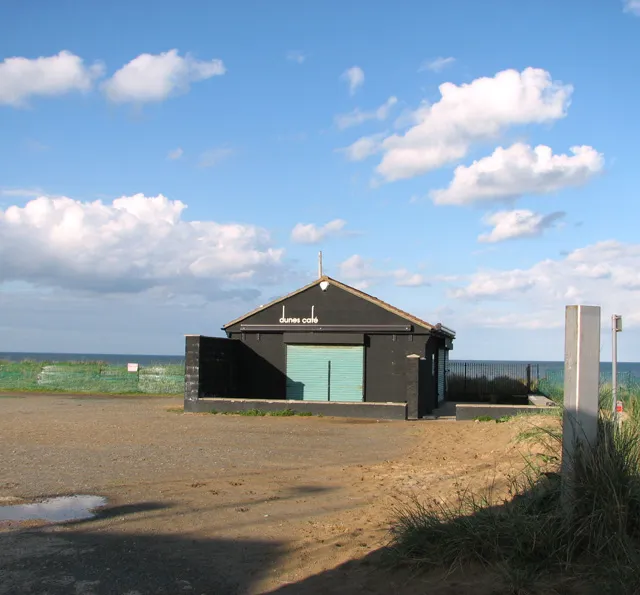
Photo: Evelyn Simak , CC BY-SA 2.0, via Wikimedia Commons
There is a strange little moment in British restaurants, somewhere around 3pm, when the day seems to hold its breath. The lunch rush has gone. The dinner prep has not quite taken over. Chairs may be stacked at the back, a radio might be on slightly too loud, and someone in the kitchen is eating their own lunch standing up. Walk in then and you learn more about a place than you would at eight on a Saturday night.
The hour when the performance stops
A full room flatters a restaurant. It creates noise, momentum and a sense that something important is happening. Service becomes a kind of choreography: orders go in, plates go out, everyone is busy. That is not nothing. But it is also not the whole story. The real question is what a kitchen does when the audience has thinned out and the next sitting is still hours away.
The dead hour, as I have come to think of it, is not really dead. It is unguarded. A restaurant that cooks with consistent care will still make you a proper lunch at 3.15 on a wet Tuesday in November. A restaurant that saves its effort for a packed dining room will make that clear too, usually with a shrug, a limited menu and the sense that you have arrived at the wrong end of the day.
The all-day menu is a quiet statement of intent
Plenty of UK places now advertise an all-day menu, but the phrase can mean almost anything. At one end, it means a kitchen that genuinely keeps cooking from morning until evening: breakfast, sandwiches, small plates, cake, maybe a bowl of something warm. At the other, it means a laminated card of fried things and a promise that the fryer is still on. The difference is obvious the moment you read it.
A good all-day menu is usually short. It knows what it is for. There might be a sandwich made with bread from the same baker who supplies the dinner tables, a slice of cake that was actually made that morning, a bowl of soup that tastes of vegetables rather than stock cubes, or a toastie that has been given the same thought as a main course. None of this is grand. That is the point. Simplicity is not a lack of ambition; it is a lack of disguise.
When a restaurant offers you a decent sandwich at an awkward hour, it is saying something about how it sees food. It is saying that lunch is not a lesser meal, that a customer at 3pm deserves the same care as a customer at 8pm, and that the kitchen can be trusted when nobody is watching. That is a fairly good definition of honest hospitality.
What to order when the room is empty
The dead hour is not the time for a tasting menu or a theatrical presentation. It is the time for plain things, ordered plainly. A cheese sandwich and a pot of tea. A slice of lemon cake and a coffee. A bowl of soup with bread that has been buttered with some conviction. These are not complicated requests, which is exactly why they are revealing.
If the bread is dry, the butter is fridge-cold and the cake tastes like it was made last week, you do not need a consultant to tell you what is going on. If the sandwich arrives with a decent pickle, the tea is properly brewed and the person serving you can tell you what is good without checking with the kitchen, you have found something worth keeping. The dead hour order is not a trick. It is just a meal at a time when the restaurant has no obvious reason to impress you.
This is also where the British café and the old-fashioned pub kitchen often beat the smarter places. They have never needed a full room to justify putting a sandwich on a plate. They understand that people eat at odd times: between trains, after a hospital appointment, before the school pickup, on the way back from a walk that took longer than expected. A kitchen that can look after those people is a kitchen with real range.
The staff tell you as much as the food
At 3pm, you also see how a restaurant handles the quieter side of hospitality. Are you greeted, or do you feel like an interruption? Are you shown to a table without fuss, or told that the kitchen is between services even though the door is open? Does someone ask if you want a drink while you decide, or do you sit in a silence that feels suspiciously like a hint?
None of this requires a performance. It requires only that the place has thought about what it is for. A restaurant that serves all day should be ready to serve all day. If it cannot manage a cup of tea and a slice of cake at 3pm without making you feel awkward, it is probably not as relaxed as its branding suggests. The dead hour exposes the gap between the welcome on the website and the welcome at the door.
Why the dead zone matters to diners
I am not suggesting that every restaurant must stay open from dawn until midnight, or that a kitchen has to offer a full menu at every hour. Plenty of good places close between services, and that is fine. The point is not about opening hours. It is about consistency. If a restaurant invites you in at 3pm, it should have something honest to give you when you arrive.
This matters because the dead hour is where trust is built. A place that can produce a properly made sandwich when the room is nearly empty is likely to be careful when the room is full. A place that treats the quiet hour as a nuisance is likely to treat other quiet things as a nuisance too: dietary questions, slower diners, a table of two who are not ordering wine. The all-day menu is a small promise, but it is a promise all the same.
In 2026, with restaurant prices still giving plenty of us pause, that promise feels more important than ever. We are not asking for fireworks at 3pm. We are asking for evidence that the kitchen is still a kitchen, not just a stage. The best places pass the test without even noticing it. They make you a sandwich, cut you a slice of cake, boil the kettle and let you sit for a bit. It is not much. It is also everything.
The realest hour
The dead hour is not glamorous, and that is why it is useful. It strips away the crowd, the specials board theatrics and the pressure to order the thing everyone else is having. What is left is a table, a menu and a kitchen with no obvious reason to try. If it tries anyway, you have found a good restaurant. If it does not, you have saved yourself a Saturday night booking.
So next time you are between things, somewhere in the middle of the afternoon, do not wait for dinner. Walk into the quiet place. Order the plain thing. Watch what happens. The 3pm menu may be the most honest menu in the building.