Carry It Home: The Unfussy Case for the Takeaway Box
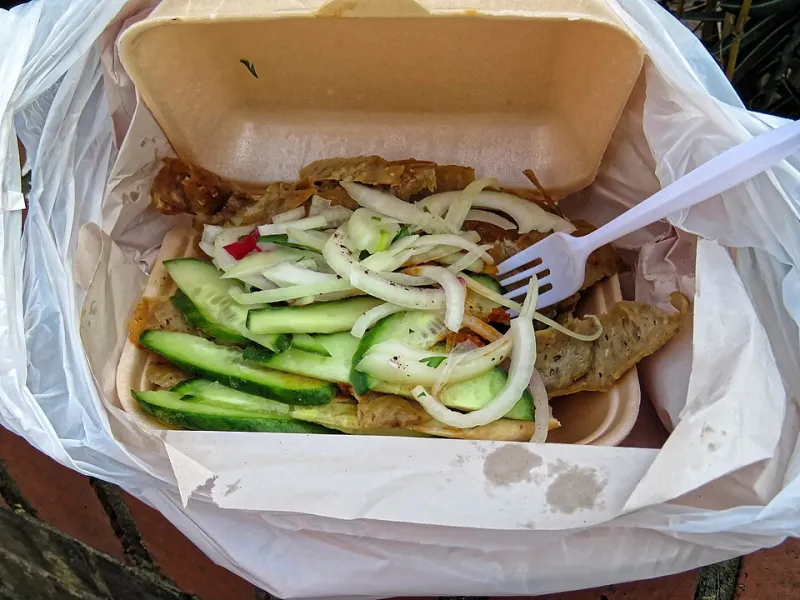
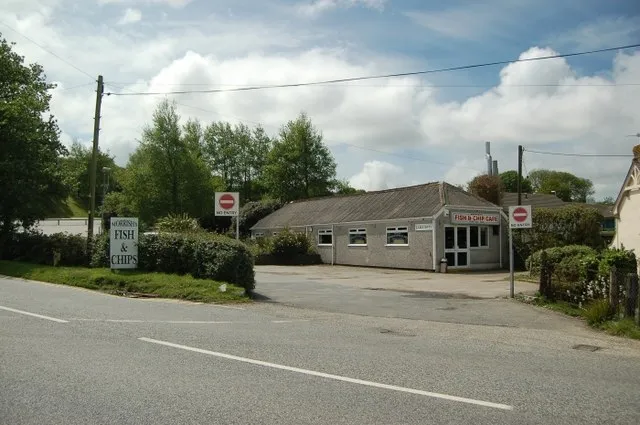
Photo: Acabashi, CC BY-SA 4.0, via Wikimedia Commons
There is a particular British silence that falls over a table when someone mentions taking the rest of their dinner home. It is not quite embarrassment and not quite disapproval. It is the sound of a nation remembering that we once decided doggy bags were a bit much. We leave a third of a Sunday roast on the plate, push back our chairs and call it good manners. It is not. It is waste dressed up as politeness.
The awkward bit is the asking, not the food
In most restaurants, the food itself is not the problem. The problem is the moment you have to catch a waiter's eye and say the words. Asking for a box can feel like telling the kitchen you could not finish. It should feel like telling them you enjoyed it enough to want it again later.
The best places have already worked this out. I have eaten in a café in Sheffield where a stack of compostable boxes sits by the till, not hidden away like contraband. I have been in a Devon pub where the staff bring a box with the pudding menus, unprompted, because they know a slow-cooked shoulder of lamb is not a single-sitting proposition. And I have sat in a Bristol canteen where the takeaway container is simply part of the service, listed on the menu beside the puddings. No ceremony. No whispered request. Just a box, a lid and a nod.
That attitude changes the whole transaction. When a restaurant offers packaging without being asked, it tells you something about how it values its own cooking. A kitchen that makes its own stock, bakes its own bread and butchers its own meat is unlikely to be offended by the idea that you might want to finish it at home. A kitchen that shrugs and says, 'We don't do that,' is usually telling you something else.
What the packaging says before you open the lid
A flimsy foil tray that leaks gravy into a paper bag is not hospitality. It is a hint that the request was a nuisance. A proper container, sturdy enough to survive a bus journey, with a lid that actually fits, says the opposite. It says: we expected you might ask, and we are fine with it.
The really good places go further. They separate the wet from the dry. They put the crackling in its own little bag. They write the reheating instructions on the lid, or at least tell you not to microwave the salad. None of this is expensive. It is just thought. And thought is what separates a restaurant that tolerates leftovers from one that respects them.
A simple guide to asking without fuss
If you want to take food home, the rule is simple: ask early. Mention it when you order, not when you are halfway out the door. 'Could I have a box for later?' is a perfectly normal sentence. So is 'Could you wrap the rest of the pie?' You do not need to apologise. You do not need to explain that your eyes were bigger than your stomach. You are a customer, not a child who has misbehaved.
Know what travels. Stews, curries, roasts, pizza, pies and cake all survive a night in the fridge. Chips do not. Neither does a delicate salad or anything that was only ever meant to be eaten within four minutes of leaving the pan. If you are unsure, ask the kitchen. They know.
If you want to bring your own container, ask first. Some places are happy to fill it. Others are not allowed to for food safety reasons. Either answer is fine. The point is not to make a stand. The point is to take the food home.
And if the restaurant does it well, say so. A quick 'thanks, that's great' costs nothing. It also tells the next person behind the counter that this is a normal thing to want.
The waste argument is only half the story
Yes, reducing waste matters. A restaurant that sends good food to landfill is throwing away money as well as produce. But the real argument for the box is not just environmental. It is about respect.
Good food deserves to be finished. If a kitchen has spent hours on a braise, a loaf or a pudding, the highest compliment is not always a clean plate in the dining room. Sometimes it is a clean plate the next day, at home, when you are still thinking about it. The box is not an insult to the kitchen. It is a delayed compliment.
That is why the doggy bag has always been the wrong name. It sounds like something for the family pet, not something for a paying customer. Call it a takeaway box. Call it a second sitting. Call it what it is: normal.
What needs to change
The change has to come from both sides. Restaurants can put a line on the menu: 'Take home what you do not finish. Just ask.' They can keep a stack of boxes behind the bar. They can train staff to say yes without a sigh. Customers can stop treating the request like a confession.
None of this is fuss. It is the opposite. It is the plain, simple thing: cook good food, serve it properly and let people finish it. In 2026, with food costs where they are and waste where it is, that should be the easiest decision in the building.
So next time you are faced with half a pie and a good evening, ask for the box. It is not a scene. It is not a demand. It is just dinner, carried home.