Settle Up, Say Goodbye: The Last Five Minutes Are Part of the Hospitality
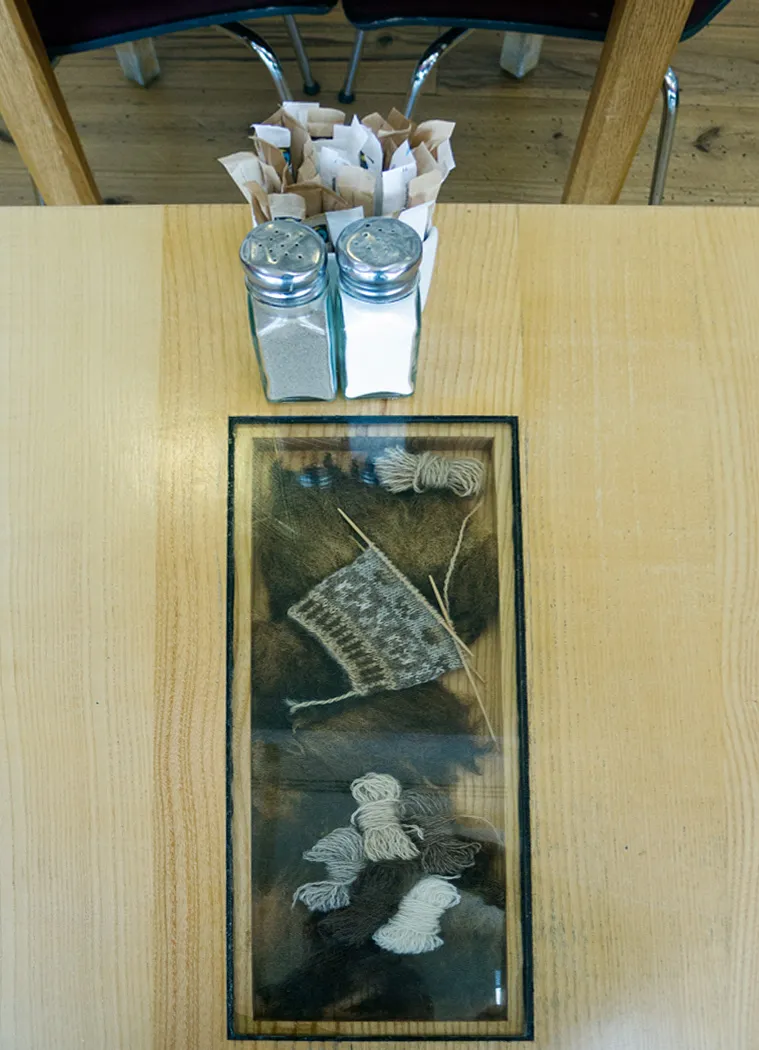
Photo: Julian Paren , CC BY-SA 2.0, via Wikimedia Commons
We talk a lot about the welcome. The hello at the door, the jug of water that appears without asking, the chalkboard that tells you exactly where the lamb came from. All of it matters. But there is another moment that tells you just as much about a restaurant, and it happens after the plates have gone: the bill.
It is not admin. It is the last act of service. Whether the card machine comes to your table or you are sent on a trek to the till, whether the bill is itemised without a prompt or arrives as a mystery total, whether splitting it is treated as normal or as a small crisis — these are not boring details. They are the final impression. And in a country that loves to talk about hospitality while quietly hoping you will not make a fuss, the bill is where a lot of places show their true colours.
The walk to the till
Some restaurants make paying feel like a small ejection. You finish your coffee, look around for someone, wait, look again, then eventually work out that the till is by the door and you are expected to queue behind a man buying a bag of crisps. It is not the end of the world. Pubs and cafés have done it for years, and often it suits the room. But there is a difference between a relaxed arrangement and a place that has simply stopped paying attention.
The best version of the walk to the till is clear and unbothered. You know where to go, someone catches your eye, the card reader is ready, and the goodbye is warm rather than a receipt handed over like a parking ticket. The worst version is a scavenger hunt. You are left standing by a sign that says Please Pay at the Bar while three staff members avoid eye contact and a radio plays a song you have already heard twice.
A restaurant that has thought about the ending will make it obvious. Not grand, not fussy. Just obvious.
A bill you can read
There is a special kind of trust that comes from an itemised bill. You can see what you ordered, what it cost, and whether the service charge is discretionary. It sounds basic because it is basic. But plenty of places still treat the bill as a document of mild mystery, with totals that require mental arithmetic and a service charge tucked in like a surprise guest.
In 2026, with contactless payments and digital receipts everywhere, there is no good reason for a bill to be unclear. A decent restaurant does not need to explain itself line by line, but it should not make you feel awkward for looking. If a place gets prickly when you ask for a breakdown, that tells you something. It may be innocent — a busy night, a till that behaves like a stubborn mule — but the way it handles the question is part of the meal.
The same goes for the service charge. A discretionary charge is fine. A compulsory one is also fine, as long as it is stated clearly before you order. What is not fine is the silent version, where the bill arrives with a percentage already added and a member of staff hovering like a weather front. Honest hospitality does not need to be shy about money. It just needs to be straight.
Splitting without drama
Ask four people to split a bill and you will often learn more about the restaurant than you did from the menu. Some places handle it beautifully: the card machine comes over, the staff member knows how to split by amount or by item, and nobody is made to feel like a nuisance. Others act as if you have asked them to translate a medieval manuscript.
This is not a minor technical issue. It is a hospitality issue. Groups are the lifeblood of UK eating out — families, friends, colleagues, the Saturday lunch that turns into the whole afternoon. A restaurant that can split a bill without sighing is a restaurant that understands how people actually eat.
The gold standard is simple: bring the machine, ask how you want to do it, and do not make a performance out of it. Cash still works too. Some places seem to have forgotten that, which is odd for an industry that claims to welcome everyone. A good till is not a moral test. It is just a tool.
The goodbye
Then there is the last word. The thank you, the see you again, the door held open by someone who is not trying to sell you a loyalty card. It costs nothing and it lingers. A restaurant can serve a fine lunch and still undo some of it by letting you leave like a parcel being collected.
I am not asking for theatrical warmth. A quiet nod is enough if the room is busy. But the ending should feel finished. The bill should not be a hurdle you clear on your way out. It should be the last small piece of care — the confirmation that the place was glad you came, and that it knows how to let you go.
That is the test, really. Not whether the bill is cheap, or whether the card machine has a nice screen. Whether the final five minutes feel like part of the same meal. If they do, you remember the place kindly. If they do not, you remember the queue by the door and the service charge you did not ask about. In 2026, with so many good places to eat, the goodbye is worth getting right.