Read the Chalk: How a Specials Board Reveals a Kitchen’s True Character
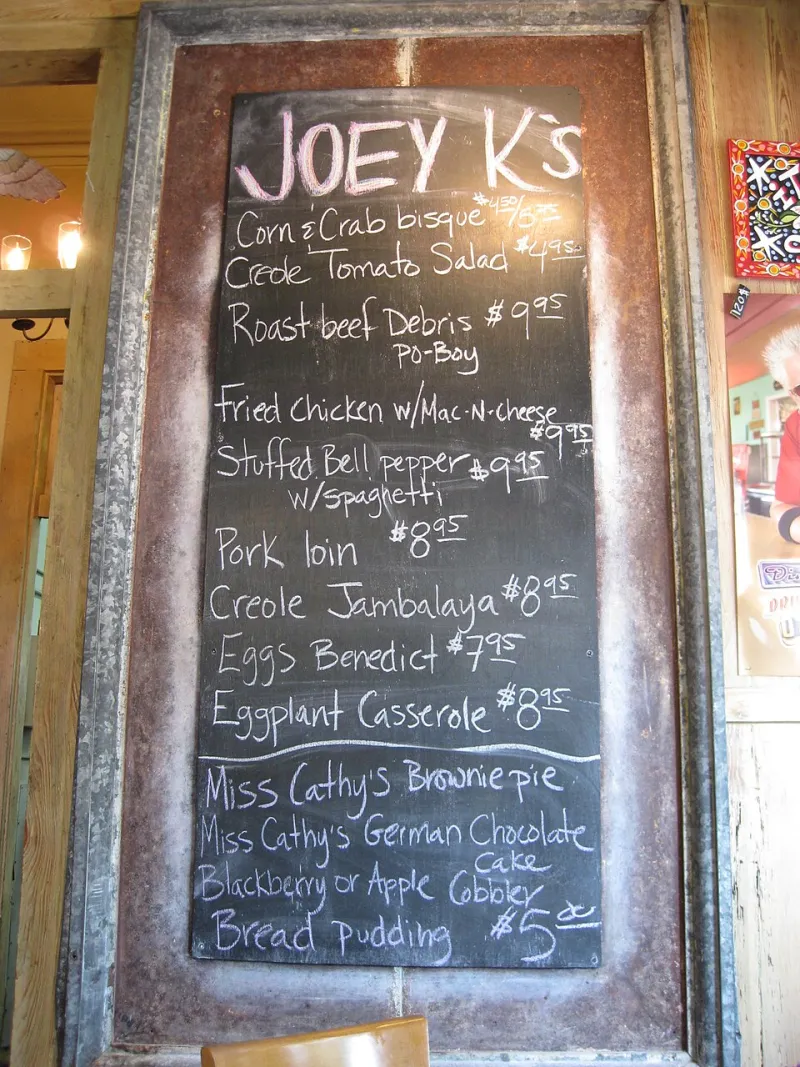
Photo: y6y6y6, CC BY-SA 2.0, via Wikimedia Commons
The specials board is the least glamorous thing in a restaurant. It is usually propped near the door, written in a hurry, and half-erased where someone changed their mind about the soup. That is exactly why I trust it. A printed menu tells you what a kitchen can do at scale. A chalkboard tells you what it is doing today.
The board is a live document
In 2026, when a QR code can summon a laminated menu and a booking system can tell you exactly how long you have at the table, the chalkboard remains stubbornly human. It is temporary by design. It smudges. It runs out. It gets rewritten when the fishmonger turns up with something better than expected, or when the garden finally gives up the last of the rhubarb.
That is the first thing to look for: evidence of change. A good board looks like it has been touched this morning. There may be a crossed-out line, a price altered in a different hand, or a note that says until it runs out. None of this is sloppy. It is a kitchen admitting that lunch is not a rehearsal.
What honest chalk looks like
An honest specials board tends to be short. Three or four things, maybe five. It names ingredients rather than concepts. It uses verbs you can picture: grilled, braised, pickled, fried, cold. It gives you a clue about where something came from, even if that clue is just the county or the market. It does not need to shout about being local if the haddock was landed down the road and the leeks came from a farm you could cycle to.
The best boards also carry a sense of time. Words like today, this morning, first of the season, or last few portions are not marketing. They are information. They tell you that the kitchen is responding to the week rather than reciting a script.
And yes, a special can be a way to use up surplus. That is not a scandal. Good kitchens have always turned leftovers into something worth eating. The difference is honesty. If the board says it is a pie made with yesterday’s roast, that is a useful kind of thrift. If it says it is an artisan heritage experience and charges £24 for the same thing, that is theatre.
The theatre of the special
You can usually spot a fake special from the door. It has been on the board since spring. It uses words like famous, signature, or chef’s special without telling you what is actually in it. It lists six premium ingredients and no cooking method. It is written in beautiful calligraphy on a printed chalkboard that has never seen a piece of chalk.
A specials board should not be a second menu. If everything on it is available every day, it is not special. It is just the menu with better lighting. The same goes for a board that says seasonal in January and offers strawberries. That is not seasonality. That is a supply chain with a good copywriter.
There is also a particular kind of nonsense that sounds generous but says nothing: our famous homemade pie, served with all the trimmings. Which pie? What trimmings? Made when? By whom? A board does not need to be a novel, but it should be specific enough to make you hungry rather than suspicious.
Ask one good question, not an interrogation
You do not need to cross-examine the staff. One polite question is usually enough: what is good today? Or: what is nearly gone? If the answer is quick and specific, you are in safe hands. If the server has to go and ask the kitchen and comes back with a vague shrug, that tells you something too.
A good follow-up is to ask how something is cooked. Not because you are testing them, but because the answer often reveals whether the board was written by someone who has actually stood at the stove. You can usually hear the difference between a description learned in a briefing and a description from someone who has been tasting the sauce all morning.
Be kind about it. Front-of-house staff are not always the people who wrote the board. The point is not to catch anyone out. The point is to find the places where the chalk is connected to the pan.
The last of the rhubarb test
My favourite test is simple: does the board feel like it belongs to this week? A kitchen that cooks with the seasons will often have a short, slightly awkward board in the gaps between crops. There will be frozen or preserved things, clever pickles, and maybe a pudding made from the final bunch of something. That is a good sign. It means the kitchen is not pretending that the UK has an endless summer.
A board that never changes is not necessarily dishonest. Some places do one thing perfectly and should be left alone. But if a restaurant claims to be led by the market and the chalk never moves, the market is probably not doing much leading.
How to order from it
Order the thing with the shortest life. If the board says the crab came in this morning, have the crab. If it says the last of the garden tomatoes, have those. Pair it with something simple from the main menu and let the special do the talking. Sit where you can see the board if you can. Watch who writes on it. In the best places, it is not a marketing manager with a stencil. It is the person doing the cooking, still in an apron, adding a line because the supplier had something worth adding.
That is the quiet promise of the specials board. It is not a guarantee of brilliance. It is a guarantee that you are eating in a kitchen that is still making decisions. In a country full of polished menus and carefully managed dining rooms, that is worth a lot. Look for the chalk dust. Follow the crossings-out. The board may not always tell you the whole truth, but it is far less practised at lying than the laminated alternative.