One Plate, All In: Britain’s Single-Dish Restaurants and the Art of Doing Less Better
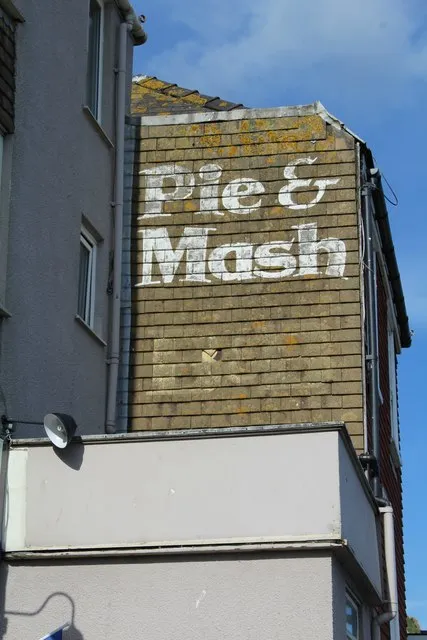
Photo: Richard Hoare , CC BY-SA 2.0, via Wikimedia Commons
There is a particular kind of reassurance in walking into a restaurant and knowing, almost immediately, what you are going to eat. Not because the menu is thin on imagination, but because the kitchen has made a decision: this is what we do. One dish. No distractions. In 2026, as menus grow more expensive and diners grow more wary of padding, Britain’s single-dish specialists look less like a novelty and more like a quiet benchmark for honest eating.
Why one dish can be the honest option
A restaurant that stakes its reputation on a single plate has nowhere to hide. If the pie is dull, the whole place is dull. If the biryani is dry, there is no steak to order instead. That pressure tends to concentrate the mind — and the cooking.
Focus also makes commercial sense. A kitchen buying the same core ingredients week in, week out can buy better, waste less and refine the thing it sells. A pie shop that makes two hundred pies a day learns things about pastry that a pub with a sixteen-item menu never will. A seafood shack working with the day’s catch cannot pretend to offer everything, so it offers what is good. That is not limitation. That is confidence.
And there is a practical honesty to it. When a place does one dish well, the price usually makes sense. You are not subsidising a dozen ingredients that never quite meet. You are paying for repetition, skill and better sourcing — the unglamorous foundations of good food.
Specialist or just limited? A quick field guide
Not every one-dish restaurant is a specialist. Some are simply under-equipped, under-staffed or hoping that a narrow menu sounds like a philosophy. The difference is usually obvious within ten minutes.
Genuine specialism tends to look like this: the dish has variations within a tradition, not fake variety; the kitchen is visible or at least audible; the staff can tell you where the main ingredient comes from without reaching for a laminated sheet; the sides are made with the same care as the headline act; and there is a sense that the place would still be busy if it raised its prices slightly. Regulars are a good sign. Queues at lunchtime are a better one.
Lazy limitation looks different. One lonely dish, no explanation, no craft on show, and a price that suggests the absence of choice is somehow a luxury. The sides are an afterthought. The bread is sad. The staff seem faintly annoyed that you have asked what is in it. A narrow menu should be a promise, not an excuse.
A useful question to ask yourself: would this place survive if the one dish were merely average? If the answer is no, you are probably in the right kind of restaurant. If the answer is yes because there is nowhere else nearby, keep walking.
Regional guide: one-dish places worth seeking out in 2026
North West England: pie counters and pudding shops
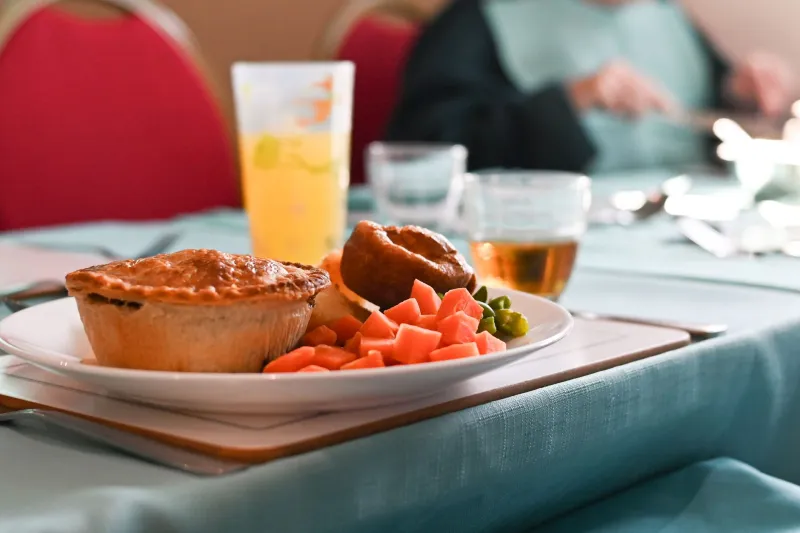
Greater Manchester and Lancashire still have a proper culture of the pie counter — a small menu, a hot cabinet, gravy, mushy peas, maybe a pudding. Look beyond the city-centre gastropub version and head for the old-school shops in towns such as Wigan, Bolton and Bury. The tell is a short menu and a steady stream of people collecting lunch. Ask for the pie that has just come out of the oven, not the one that has been waiting.
West Midlands: biryani houses and canteens
Birmingham’s biryani houses, particularly around Sparkbrook and the wider Balti triangle, are a masterclass in doing one thing with conviction. The best places cook rice and meat together in layers, not as a base with a topping. The menu may run to a few kebabs or a curry, but the biryani is the point. Go hungry, go early, and don’t ask for chips.
Cornwall and Devon: seafood shacks with a short memory
A good coastal shack sells what came off the boat, not what came off the freezer lorry. In 2026, the best of them keep it simple: a catch of the day, a crab roll, a few scallops, perhaps a pot of mussels. The menu changes because the sea changes. That is not inconsistency; it is the whole idea. Look for chalkboards, harbour views and a bin full of crab shells.
Yorkshire: bakery-cafés with one good sandwich
Leeds, Sheffield and the market towns around them have a growing number of bakery-cafés that do one loaf, one sandwich and one soup with real care. The giveaway is the bread. If the sandwich is built on a loaf you would happily buy whole, the rest usually follows. These places are not trying to be restaurants. They are trying to be useful — and that is a very British kind of hospitality.
London: beigels, dosas and ramen counters
London has plenty of one-dish specialists, but the best are often the least theatrical. East End beigel shops, dosa canteens in the suburbs, ramen counters with a dozen stools and a queue. The rule is the same: follow the repetition. A place that has made the same thing thousands of times is usually making it better than a place that has made it twice.
Scotland and Wales: the one-pot and the fish supper
In Scotland, the fish supper remains the ultimate single-dish test — fresh fish, crisp batter, proper chips, not a sprawling menu of frozen add-ons. In Wales, look for places that do cawl or a single baked dish with conviction, especially in market towns where the lunch trade keeps standards honest. The principle travels: one pot, one plate, one chance to get it right.
What to order, and what to ask
When you find a specialist, order the thing it is known for. Don’t ask for the chicken alternative if there isn’t one. Ask what is made in-house, what time the dish is at its best, and whether the sides are worth having. If service charge is added, check whether it is included in the price you were quoted. A good one-dish restaurant should be relaxed about questions, because it has nothing to hide behind.
The bottom line
A single-dish restaurant is not automatically honest, and a long menu is not automatically dishonest. But in 2026, when so much eating out feels like a negotiation, there is something refreshing about a place that says: this is what we do, this is what it costs, and we think it is worth your time. That is not a gimmick. It is a very old idea, done well.