The Bill Shouldn’t Be a Surprise: A Diner’s Guide to Transparent UK Restaurant Pricing in 2026
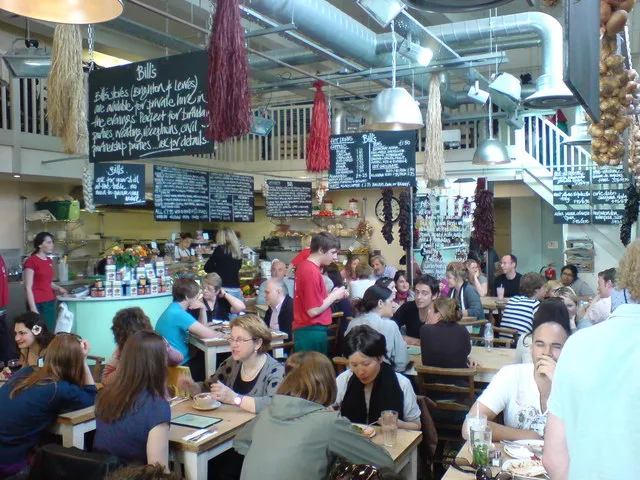
Photo: Danny Robinson, CC BY-SA 2.0, via Wikimedia Commons
There is a small but telling pleasure in a menu that tells you the whole truth. Not just the price of the soup, but whether service is included, whether the set lunch is available on Saturdays, and whether the “optional” 12.5% will appear on the bill without anyone asking. In 2026, with eating out under pressure and diners watching every pound, transparent pricing is not a nice extra. It is a basic form of hospitality.
My view is simple: a restaurant that shows you the full bill up front is usually a restaurant that trusts its own cooking. It is not trying to trap you. It is not hoping you will be too polite to query the service charge. It is saying: this is what it costs, this is what you get, and we are comfortable with you knowing both.
Fair pricing is not the same as cheap
Let’s get one thing straight. Transparent pricing does not mean low pricing. A £28 main that includes service, bread and a proper welcome can be better value than a £19 main that arrives with a £3 cover charge, a £2 bread charge and a 15% service charge added at the end. The number on the menu is only honest if it is close to the number on the card machine.
Restaurants have real costs — rent, energy, staff, ingredients, insurance — and in 2026 those costs are not going away. Fair pricing means covering them openly, not hiding them in small print. A menu that says “all prices include service” is making a promise. A menu that says “a discretionary service charge of 12.5% will be added” is at least being clear. A menu that says nothing and then adds a charge is asking for trust it has not earned.
What good looks like in 2026
Good pricing is boring in the best way. It is visible before you book, consistent when you arrive, and easy to understand when the bill comes.
Published service charges
If a restaurant adds service, it should say so on the website, on the menu and on the booking confirmation. The percentage should be clear, and so should the question of whether it is discretionary. A good restaurant will not make you feel awkward about asking for it to be removed if the service was poor — though in practice, most people would rather pay it and never return.
Inclusive menus
A growing number of UK restaurants now build service into their prices and pay staff properly instead. That is a genuinely honest approach, but it only works if the menu says so. “Prices include service” is one of the most reassuring phrases in British hospitality. It removes the end-of-meal maths and the uncomfortable pause when the card machine arrives.
Set-price lunches and fixed menus
A set lunch is a useful test of a kitchen’s confidence. Two courses for a fixed price, with supplements clearly marked, is a fair deal for diners and a sensible way for restaurants to fill quiet sessions. The small print matters: is the set menu available every day? Are supplements added for certain dishes? Is service included in the set price? A good set menu answers those questions before you ask.
Clear booking terms
Deposits and cancellation fees are increasingly common, and that is fair enough — no-shows hurt small restaurants. But the terms should be easy to find, not buried three clicks deep in a booking widget. If a deposit is taken, say what it covers. If a no-show fee applies, say when it is charged. Transparency before booking is just as important as transparency at the table.
The small print that still catches diners out
The most common trap is the word “optional”. A service charge can be discretionary in law and still feel compulsory in practice, especially when it is added automatically and the card machine is presented with the total already included. Diners should not have to make a scene to pay exactly what they intended.
Other irritations persist. A “cover charge” for bread or olives that nobody ordered. A “booking fee” on top of a deposit. A set menu that carries a supplement for the only dish you actually wanted. A wine list that quotes prices excluding service while the food menu includes it. None of these are necessarily dishonest, but together they create a fog. And fog is the opposite of simplicity.
Card surcharges are largely a thing of the past in the UK, but other fees have taken their place. The principle is the same: if it will appear on the bill, it should appear on the menu. A restaurant that cannot explain its charges in one sentence is probably not thinking clearly about them.
Questions to ask before you book
You do not need to interrogate a restaurant like a tax inspector. But a few polite questions can save an unpleasant surprise.
- Is service included in the menu prices, or is it added on top?
- If service is added, what percentage is it, and is it discretionary?
- Are there any cover charges, bread charges or booking fees?
- Does the set menu run at weekends, and are there supplements?
- What is the deposit and cancellation policy?
- Is the price I see online the same as the price in the restaurant?
A good restaurant will answer these questions without huffing. A great one will have answered them already on its website.
Why this matters
Eating out is a transaction, but it is also a small act of trust. You trust the kitchen with your evening and your money; the restaurant trusts you to turn up and pay. Transparent pricing is how that trust is kept. It is not about being cheap, and it is not about punishing restaurants for making a living. It is about removing the guesswork — and letting the food be the only surprise.
In 2026, the most honest UK restaurants are the ones showing you the whole bill up front. That is not just good practice. It is good manners. And in a country that still likes to pretend we don’t talk about money, it is quietly radical.