The Condiment Caddy Doesn't Lie: Small Jars, Big Signals
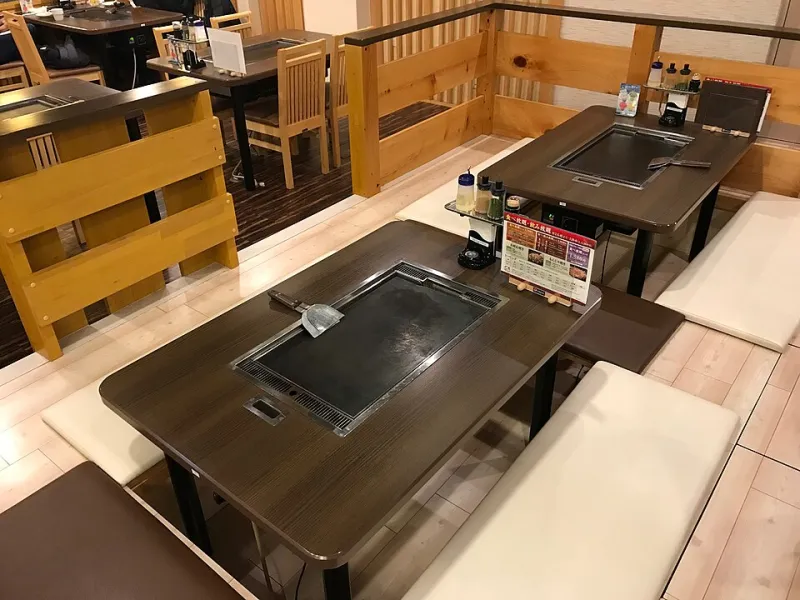
Photo: Tatsuo Yamashita from Tokyo, Japan, CC BY 2.0, via Wikimedia Commons
Menus are written to impress. Condiments are left to tell the truth.
A restaurant can spend months editing its menu, training staff and sourcing the right potatoes. Then it puts a plastic rack of sachets on the table and hopes nobody notices. That rack is one of the most honest things in the room. It shows where a kitchen has spent time, where it has saved money, and whether anyone has stopped to think about the small stuff.
Not every restaurant needs to make its own mayonnaise. A café serving bacon rolls at 7am has different priorities from a bistro charging £28 for a main. But the condiment shelf — or caddy, tray, shelf, whatever it is — gives you a quick read on how a kitchen thinks. It is not about snobbery. It is about coherence.
Sachets are a business decision, not a crime
Let’s be fair. Sachets have their place. In a takeaway, a service station or a busy family café where the whole point is speed and price, a packet of ketchup is fine. Nobody should be marched out of a greasy spoon for not making their own brown sauce.
But in a proper sit-down restaurant, a sachet is a tiny admission. It says this part of the meal has not been plated, thought about or costed into the experience. That can be a perfectly sensible decision. It can also be a mismatch. If the menu name-checks farms, the bread is sourdough and the wine list has a natural section, a sad rack of sachets looks out of place. The kitchen has told you what it cares about. The caddy has told you what it doesn’t.
House-made mayo is a small act of confidence
Mayonnaise is not expensive. Oil, egg, mustard, acid, salt. What it costs is attention. A kitchen that makes its own mayo has decided the sandwich, the chips or the crab roll deserves better than a generic squeeze. It also has to trust its staff to make it consistently and not leave it in a warm corner. That is a small operational risk. Good restaurants take it.
The same goes for mustard. A jar of proper English mustard — sharp enough to make your eyes water — is not a status symbol. It is just the right thing with a roast, a pie or a slab of ham. A restaurant that serves a tiny plastic packet of mild yellow mustard with a £20 roast is telling you something. A restaurant that brings a pot of strong mustard, or makes its own beer mustard, is telling you something else.
The sauce shelf is a price list in disguise
Condiments are a quiet cost centre. Every ramekin of house mayo, every jar of chilli oil, every pot of piccalilli costs money, staff time and fridge space. When a restaurant gets this right, it is usually because someone has decided the details matter. When it gets it wrong, it is often because the details have been squeezed.
You can see it in the pricing. If a place charges £4 for a side of chips and then hands you a sachet, you are paying for the potato and the oil, not the care. If it charges the same and brings a ramekin of house mayo, you are getting a different bargain. Neither is automatically better value — but the second is a clearer signal of what the kitchen values.
What to look for on the table
You don’t need to be a sauce bore about it. A few quick checks are enough.
- Ramekins, not sachets. In a sit-down restaurant, a small dish suggests the condiment is part of the meal. A sachet suggests it is a leftover from the takeaway counter.
- A short, useful selection. A good caddy doesn’t need 12 bottles. It needs the right ones: mustard for the roast, hot sauce for the eggs, mayo for the chips, maybe a house brown sauce or chilli oil. Too many jars can be as thoughtless as too few.
- Labels and provenance. If a hot sauce has a maker’s name on it, that’s a good start. If the staff can tell you where it comes from — or that the kitchen makes it — even better.
- Condition. Crusted bottles, sticky jars and a lonely sachet of vinegar are not a crime against humanity. But they are a sign that nobody is looking. A clean, tidy caddy is a small tell.
- Match to the food. A curry house without raita or chutney is a puzzle. A steakhouse without proper mustard is a missed opportunity. A chip shop without vinegar is a crisis.
Where the condiments earn their keep
You don’t have to go looking for Michelin stars to find a kitchen that takes sauces seriously. Some of the best condiment moments in the UK are in places that would never make a fuss about them.
At Dishoom, the chilli jam is part of the argument — sweet, sharp, hot, and generous enough to make you reconsider the bacon naan. At Bao, the chilli oil is not a side note; it is a reason to order more. At Hawksmoor, mustard and horseradish are treated as ingredients rather than afterthoughts, which is exactly what you want with a steak. At The Quality Chop House in London, the piccalilli and sauces feel like part of the same tight, old-school British larder as the chops and the potatoes. And in a good neighbourhood curry house — the kind with a chutney tray rather than a sachet rack — the mint raita and mango chutney are often the first clue that someone in the kitchen is paying attention.
None of these places are perfect, and none should be judged on condiments alone. But they are examples of the principle: if a kitchen cares about the small jars, it probably cares about the big plates too.
Ask, and you’ll learn
The easiest way to read a condiment shelf is to ask about it. Not in a confrontational way — just a curious one. “Is the hot sauce yours?” “What’s in the brown sauce?” “Where do you get the mustard?” A good server will know. A great one will be pleased you asked. A bad one will look at you as if you have asked for the chef’s tax return.
That conversation tells you more than the menu’s adjectives. It tells you whether the kitchen is proud of the details, or whether the details are just something to get through.
The small jars matter
A restaurant is not a better restaurant because it makes its own mayonnaise. It is better if it does the small things with care, and the condiment shelf is one of the easiest places to see that care. You don’t need a house-fermented hot sauce to have a good meal. You do need a kitchen that notices.
Next time you sit down, look at the caddy before you look at the menu. It won’t tell you everything. But it will tell you something — and it is usually the truth.