The Folding Table Standard: Britain’s Plainest Lunch and the Restaurants That Miss It
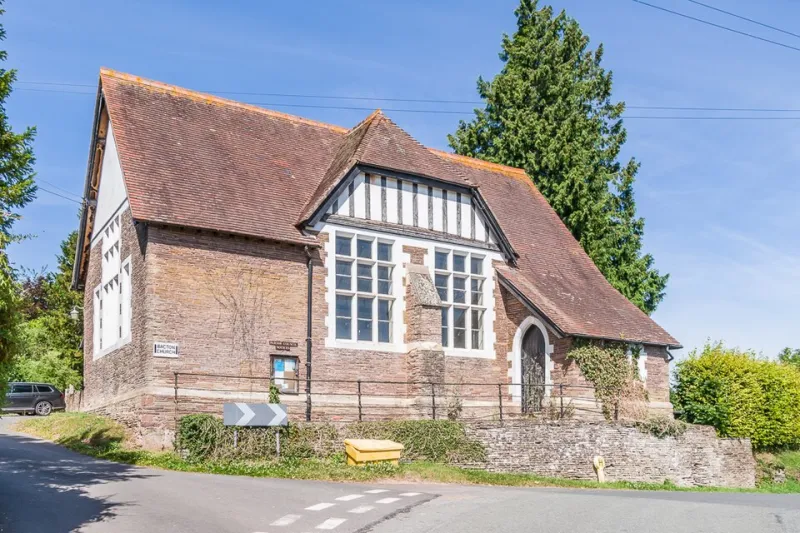
Photo: Ian Capper , CC BY-SA 2.0, via Wikimedia Commons
On a wet Tuesday in the Eden Valley, the village hall smells of floor polish, hot soup and slightly overripe bananas. A laminated sheet by the door says: leek and potato soup, roast chicken or mushroom bake, sponge pudding with custard, tea. £8.50. No QR code, no specials board, no one asking if you want to start with a snack while you consider the menu. You pay at a folding table, take a ticket with a number on it, and sit where there is room.
This is the village hall lunch club, one of the most honest ways to eat in Britain. It is also one of the least discussed. Restaurant writing tends to chase the new: the opening, the tasting menu, the chef with a story. But the lunch club has a story too, and it is a more useful one for anyone who cares about what a restaurant is actually for.
The menu is a promise, not a negotiation
At a good lunch club, the menu is fixed and short. There might be a vegetarian option, and there will usually be a pudding. The price is on the board before you sit down. Tea is included, or it is 50p and someone puts a jug on the table. Nobody is trying to move you onto the £9 starter or the large glass of wine that arrives unasked.
That clarity changes how you eat. You are not scanning for traps. You are not weighing up whether the side is worth £4.50. You are just having lunch. Restaurants could learn from this without pretending they are charities. A short menu, a clear price and a kitchen that cooks what it can execute well is not a compromise. It is confidence.
Volunteers are not the amateurs in the room
The word volunteer can sound like a warning. It should not. The cooks at these lunches are often retired caterers, school dinner veterans, farmers’ wives, people who have been feeding a village for thirty years. Some are trained. Some are not. Almost all of them cook the same food for everyone and eat it themselves afterwards, or between services, standing up by the urn.
That matters. When the person who cooked your lunch is eating the same thing, the stakes are different. There is no separate staff meal, no dish sent back because it did not look right on Instagram. The food has to be good enough for the room, and the room includes the cook.
Restaurants do not need to copy the volunteer model. They need to copy the accountability. Cook food you would happily eat on your break. Put it on the menu without a paragraph of mythology. Let the plate do the talking.
What £8 still buys in 2026
The prices vary, but not as much as you might think. In a hall outside Kendal, a two-course lunch is £9. In a Norfolk village near Aylsham, it is £7.50. In a miners’ welfare in County Durham, it is £6, with tea and biscuits. In Fife, a church hall charges £8 and apologises for the fact that the pudding is apple crumble again. In mid-Wales, a community lunch runs at £10 and still feels like a bargain.
These are not loss leaders. Hall rents are low, volunteers give their time, and nobody is paying for a designer dining room. The economics are different. But the comparison is still useful. It shows how much of a restaurant bill goes on things that are not lunch: the room, the service, the branding, the rent, the theatre. Some of that is necessary. Some of it is not.
How to find one
They are not always online, which is part of the point. Start with the parish newsletter, the noticeboard by the post office, the library, the church magazine, the community Facebook group, or the local Age UK. Search for the village hall plus lunch club, or ring the hall directly. Ask whether you need to book. Some clubs need numbers by Friday; others will squeeze you in. Ask who it is for. Many are aimed at older residents but welcome anyone. Some are strictly for over-60s. It is worth checking before you turn up with a toddler and a laptop.
Take cash. Take a bag for a slice of cake if it is offered. Do not expect a card machine, a wine list or a flat white. Do expect to be asked if you want more gravy.
How to judge one
Three tests are enough. First, is the menu fixed and the price clear before you pay? If yes, that is a good sign. Second, are the people serving eating the same food? If yes, better. Third, is the tea hot and the jug refilled without a performance? If yes, you are in the right place.
There are other signals. Dietary questions are answered plainly, not with a sigh. The queue moves. Nobody is upsold a side. The pudding is served in generous slabs. If the volunteers apologise for the simplicity, ignore them. If they apologise because they have run out of roast potatoes, that is a different matter entirely.
The corrective
A village hall lunch is not a restaurant, and it should not be judged as one. It is a community meal with a fixed menu and a fair price. But it offers a corrective to something restaurants often get wrong: the idea that quality is the same as fuss. It is not. Quality is a kitchen knowing what it does well, charging honestly for it, and not making the customer work for their lunch.
The folding table standard is not nostalgia. It is a test. Would you be happy to eat this food every week at this price, with these people, without a menu explaining the journey of the carrots? If the answer is yes, the kitchen understands something. If the answer is no, no amount of linen and small plates will fix it.
Go to one. Take cash. Say thank you. Watch how it feels to be fed without being sold to. Then ask what your local restaurant could strip back.